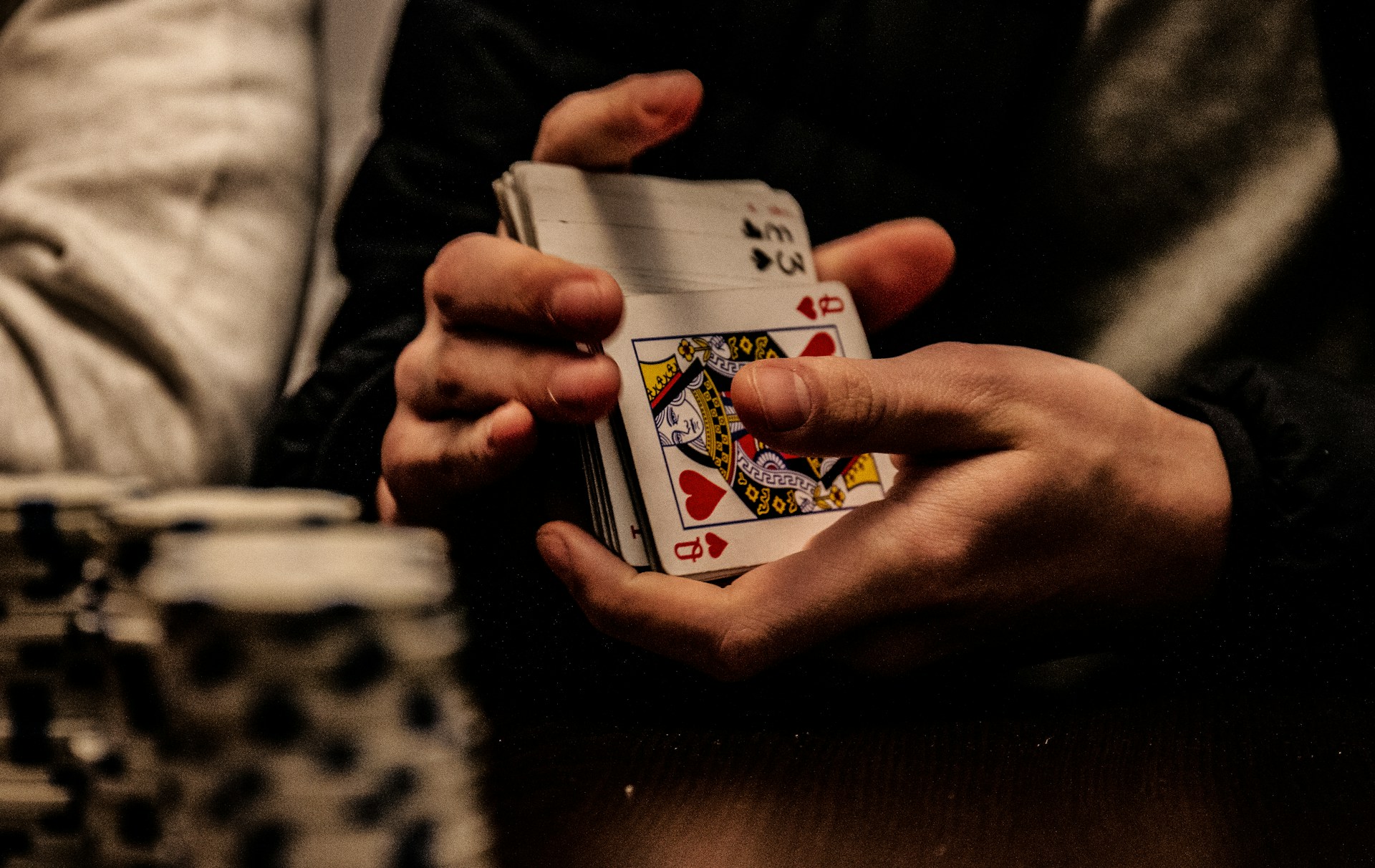
Poker is far more than a game of probability and strategy. Every decision also reflects your confidence, focus, and emotional control. While learning odds and betting patterns is important, players who build a strong poker mindset often outperform equally skilled opponents over time. They stay calm during difficult moments, trust their preparation, and avoid making emotional decisions. As a result, they improve both their consistency and long term performance. If you want to play like a professional, developing mental toughness should become a daily part of your training.
Preparing Your Mind Before the First Hand
Every successful poker session starts with preparation. Professional players rarely sit down without a clear goal and a focused attitude. Instead of expecting perfect cards, they prepare themselves to make smart decisions regardless of the situation. This mindset creates confidence before the first hand is even dealt.
Preparation also means managing your physical and mental energy. Good sleep, healthy meals, and a distraction free environment help you stay alert throughout long sessions. Furthermore, setting realistic expectations reduces frustration when luck does not go your way. Because of these habits, professionals begin each game with a calm and balanced outlook.
Understanding the Role of Emotions at the Table
Every poker player experiences excitement, disappointment, and pressure. These emotions are normal, but they should never control your decisions. Strong players notice how they feel without allowing those feelings to influence the next hand. Instead, they focus on facts, betting patterns, and available information.
Likewise, emotional awareness helps players recognize personal habits. Some become impatient after folding several hands, while others grow too cautious after losing a large pot. Identifying these reactions early allows players to adjust before emotions damage their strategy. Therefore, emotional awareness becomes one of the most valuable poker skills.
Building Confidence Through Consistent Decisions
Confidence does not come from winning every session. Instead, it develops through making sound decisions again and again. Professional players judge themselves by the quality of their choices rather than by short term results. This approach creates lasting confidence because good decisions remain valuable even when luck changes the outcome.
Moreover, trusting your process reduces unnecessary stress. Players who believe in their preparation stay composed during difficult stretches. They understand that poker includes uncertainty, so they refuse to abandon solid strategy after a few disappointing hands. Consequently, they continue improving while many others lose confidence.
Staying Focused During Long Sessions
Long poker sessions demand concentration from beginning to end. As fatigue increases, small mistakes become more common. Therefore, professional players develop routines that protect their attention and help them stay mentally sharp throughout every game.
Many players also strengthen their tilt control by taking short breaks, practicing breathing exercises, and recognizing emotional warning signs before frustration grows. Instead of reacting immediately after a bad beat, they slow down and regain their focus. This simple habit protects decision making and prevents emotional mistakes from affecting future hands.
Learning From Losses Instead of Fearing Them
Losses are unavoidable in poker. Even world class professionals experience long stretches where results do not reflect the quality of their decisions. However, successful players treat every setback as valuable feedback instead of personal failure. This attitude encourages continuous improvement.
After each session, many professionals review important hands and evaluate their thinking. They ask whether they followed their strategy and whether they missed useful information. Because they focus on learning rather than blaming luck, every difficult experience becomes another step toward becoming a stronger player.
Managing Pressure Without Losing Confidence
Pressure appears in many forms during poker. Tournament bubbles, large pots, and aggressive opponents can easily increase stress levels. However, professional players understand that pressure is part of competition. Instead of avoiding it, they learn how to perform well despite it.
Breathing slowly, thinking carefully, and following a consistent routine help reduce unnecessary tension. In addition, players remind themselves that one difficult decision will not define their entire session. This balanced perspective allows them to stay patient while making thoughtful choices even during high stakes moments.
Developing Discipline for Long Term Growth
Discipline is one of the most valuable qualities in professional poker. It helps players follow their strategy even when emotions suggest taking unnecessary risks. Strong discipline also encourages regular study, careful bankroll management, and honest self evaluation after every session.
Furthermore, disciplined players avoid chasing quick success. They understand that lasting improvement comes from thousands of well played hands rather than one lucky tournament. As a result, they continue building stronger habits while remaining committed to steady progress over time.
Turning Mental Strength Into a Competitive Advantage
A strong mental game gives poker players an advantage that extends beyond technical knowledge. Players with solid emotional control recover quickly from setbacks, remain confident during difficult situations, and continue making logical decisions under pressure. These qualities create consistency, which often matters more than occasional brilliant plays.
In the end, poker rewards players who develop both their strategic abilities and their psychological strength. Every session presents new challenges, yet every challenge also creates an opportunity to improve. By strengthening your focus, controlling your emotions, and trusting your preparation, you build the habits that support long term success. Although luck will always influence individual hands, your mindset will determine how far you can truly go as a player.