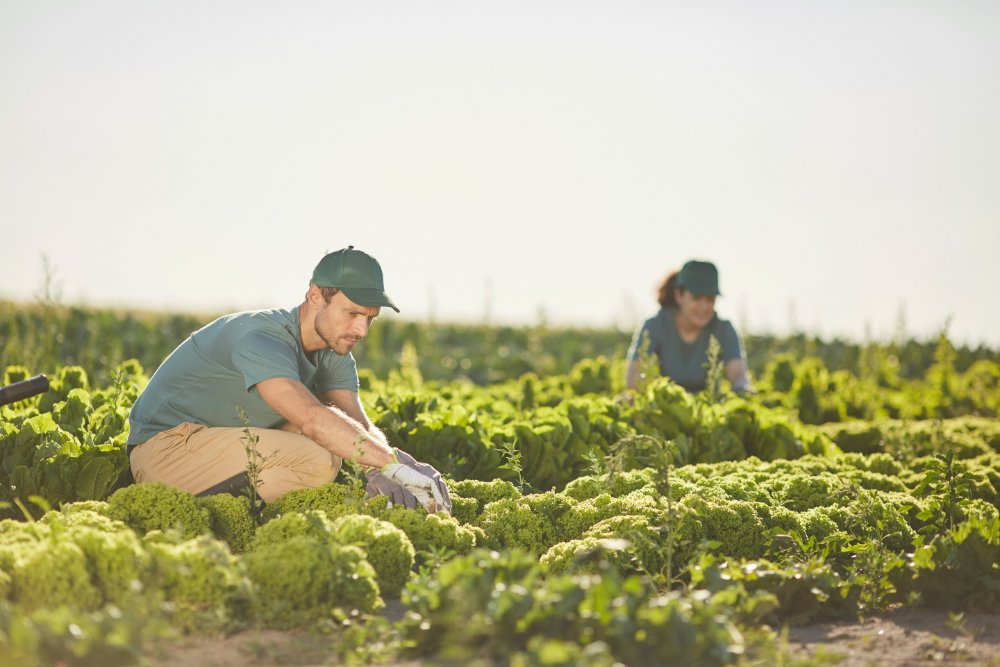
Gardening can be a rewarding activity, especially when plants produce healthy leaves, fresh vegetables, and high-quality fruits. However, certain gardening habits can negatively affect plant development and successful plant cultivation. Poor watering practices, improper soil preparation, overcrowding, and neglecting pest control can prevent plants from reaching their full potential. Even small mistakes can affect crop growth, lower productivity, and waste valuable resources. Understanding these common problems helps gardeners make better decisions, maintain healthy plants, and enjoy a more successful growing season.
Overwatering Your Garden
Overwatering is one of the most common gardening mistakes. Although plants need consistent moisture, excessive watering can reduce oxygen in the soil and damage plant roots. Waterlogged soil also creates favorable conditions for root diseases and fungal growth. As a result, plants may develop yellow leaves, weak stems, and poor fruit production.
Gardeners should check soil moisture before watering and adjust their routine according to weather conditions and plant needs. Watering early in the morning allows plants to absorb moisture before temperatures rise. Using a watering can or drip irrigation system can also help deliver water directly to the roots. A consistent watering schedule supports stronger roots and healthier plant development.
Ignoring Soil Quality
Healthy soil provides essential nutrients that support strong plant growth and better harvests. Planting in poor-quality soil can limit root development and reduce crop production. Soil with poor drainage, low organic matter, or nutrient deficiencies may prevent plants from receiving the resources they need. These conditions can weaken plants and affect the size, taste, and appearance of harvested produce.
Adding compost and other suitable organic materials can improve soil structure, increase nutrient availability, and support long-term garden productivity. Gardeners should also check soil texture and drainage before planting. Testing soil helps identify nutrient deficiencies and determine whether improvements are necessary. Maintaining healthy soil creates a strong foundation for successful gardening.
Planting Crops Too Close Together
Overcrowding can prevent plants from receiving enough sunlight, water, and nutrients. When crops grow too close together, they compete for essential resources and restrict airflow. Limited airflow can increase moisture around leaves, creating conditions that encourage fungal diseases. Overcrowded plants may also develop weak stems, smaller fruits, and fewer vegetables.
Following recommended plant spacing gives roots and foliage enough room to develop. Gardeners should consider the mature size of each plant before arranging garden beds. Proper spacing also makes watering, pruning, and harvesting easier throughout the growing season. Giving every plant enough room encourages healthier growth and improves garden productivity.
Using Too Much Fertilizer
Fertilizer supports plant development, but excessive application can damage roots and affect crop quality. Too much nitrogen may encourage excessive leaf growth while reducing fruit and vegetable production. High fertilizer levels can also create nutrient imbalances and damage sensitive plants. Applying fertilizer without understanding soil conditions may waste resources.
Gardeners should choose suitable fertilizers based on soil conditions and plant requirements. Following product label instructions helps prevent unnecessary nutrient buildup. Organic compost can also provide nutrients while improving soil structure. Applying the correct fertilizer at the appropriate growth stage supports balanced development and healthier produce.
Providing Inadequate Sunlight
Most vegetables, fruits, and flowering plants need sufficient sunlight for healthy development. Growing sun-loving crops in heavily shaded areas can slow growth and reduce flowering and fruit production. Plants may become weak as they stretch toward available light. Inadequate sunlight can also affect flowering cycles and prevent fruits from developing properly.
Before planting, gardeners should consider the sunlight requirements of each variety. Choosing appropriate locations and removing unnecessary shade can improve plant health and encourage better crop development. Regularly observing sunlight patterns helps gardeners identify suitable growing areas. Matching plant varieties with appropriate locations can improve harvest quality.
Neglecting Regular Weed Control
Weeds compete with garden plants for water, sunlight, nutrients, and growing space. Allowing weeds to spread can weaken crops and reduce the quality of the final harvest. Some weeds may also attract harmful insects and create hiding places for garden pests. If left unmanaged, weeds can spread quickly and make garden maintenance more difficult.
Regularly removing unwanted growth helps protect valuable plants and maintain healthier growing conditions. Applying organic mulch can also reduce weed growth while helping the soil retain moisture. Gardeners should remove weeds before they produce seeds to prevent further spreading. Consistent weed management allows crops to receive essential resources. Ignoring Garden Pests and Diseases
Pests and plant diseases can quickly damage leaves, stems, roots, and developing fruits. Ignoring early warning signs may allow small problems to spread throughout the garden. Damaged plants often produce fewer crops, while affected fruits and vegetables may lose their appearance and quality. Some diseases can also spread between nearby plants.
Gardeners should inspect plants regularly and remove infected growth when necessary. Using appropriate pest management methods can protect crops and support a healthier garden environment. Maintaining clean gardening tools and removing fallen plant debris can also reduce disease risks. Taking timely action helps prevent serious damage and protects harvest quality.
Skipping Proper Pruning
Pruning helps manage plant growth, improve airflow, and remove damaged or unhealthy branches. Skipping necessary pruning can create crowded foliage and limit light exposure. Dead branches may also provide places for pests and diseases to develop. Without proper maintenance, some plants may produce fewer flowers and fruits.
However, excessive pruning can weaken plants and reduce their ability to produce flowers and fruits. Gardeners should understand the pruning needs of each plant variety and use clean tools. Removing damaged branches and unnecessary growth at the right time helps plants direct their energy toward healthy development.
Harvesting at the Wrong Time
Harvest timing plays an important role in the taste, texture, and overall quality of garden produce. Picking fruits and vegetables too early may result in poor flavor and incomplete development. Waiting too long can cause produce to become overripe, tough, or less nutritious. Incorrect harvesting practices can also damage plants.
Each crop has specific signs of maturity that gardeners should understand. Checking color, size, texture, and firmness helps determine the right harvesting time and preserve produce quality. Using clean harvesting tools and handling vegetables carefully can prevent unnecessary damage. Harvesting at the right stage helps maintain freshness, flavor, and nutritional value.
Failing to Rotate Crops
Growing the same crops in the same garden beds every season can gradually reduce soil health. Repeated planting may increase the buildup of certain pests and diseases while depleting specific soil nutrients. Over time, this practice can weaken plants and reduce harvest quality. Poor crop planning may also create recurring garden problems.
Crop rotation helps maintain soil balance and reduces the risk of recurring plant problems. Changing plant families between growing seasons can improve soil management and support healthier harvests. For example, gardeners can alternate leafy vegetables, root crops, and legumes in different garden beds. This simple practice encourages sustainable gardening and maintains productive soil.
Building Better Gardening Habits for Quality Harvests
Successful gardening requires consistent care, proper planning, and attention to plant needs. Avoiding common mistakes can improve soil health, strengthen plant development, and increase the quality of fruits and vegetables. Regular watering, balanced fertilization, proper spacing, and timely pest management all contribute to better growing conditions. Gardeners can also enjoy outdoor activities, reduce daily stress, and develop a healthier lifestyle through regular garden care. By following effective gardening practices, they can grow fresh, healthy food, reduce unnecessary waste, and enjoy more productive harvests throughout the growing season.