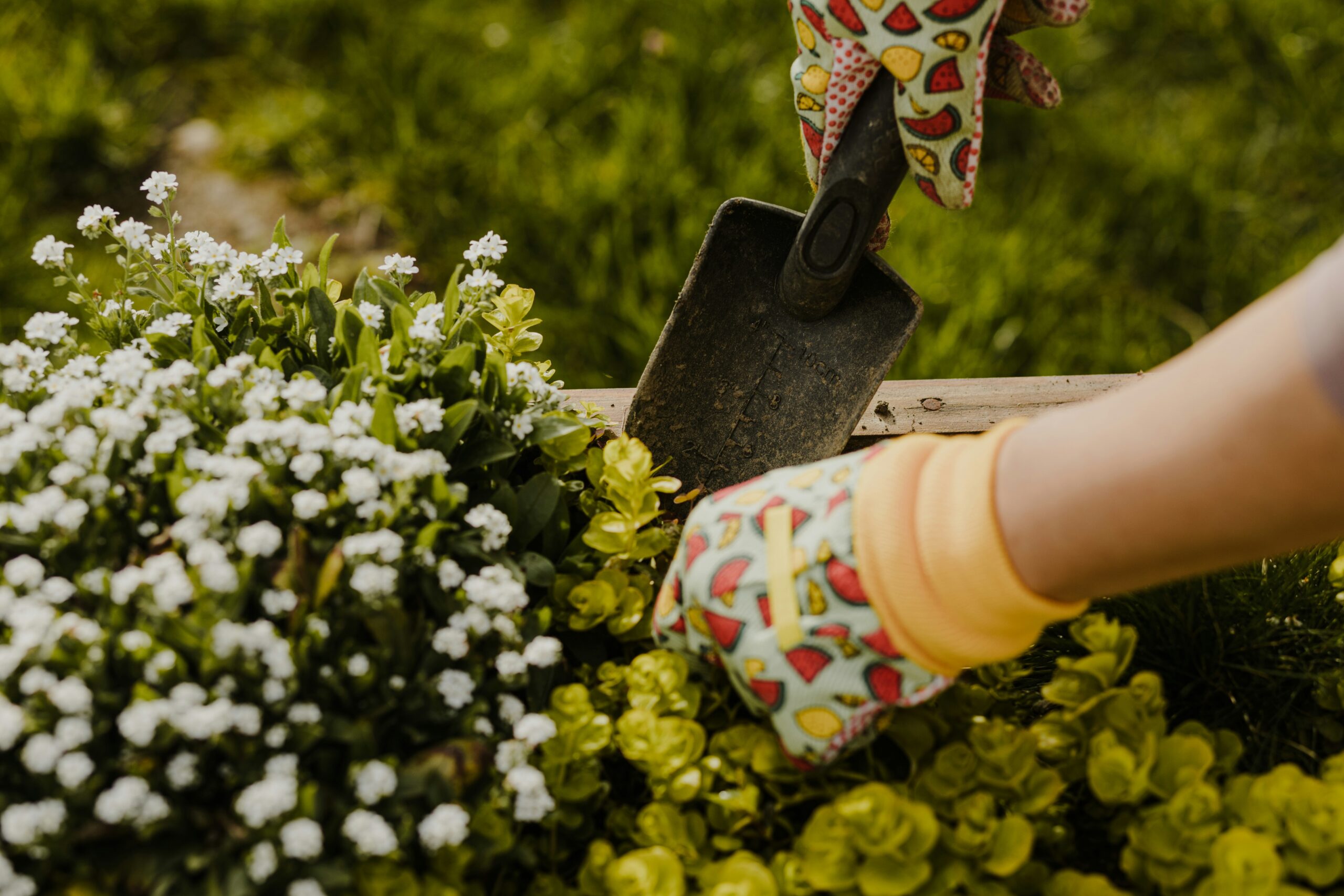
Growing strong and healthy plants does not require expensive chemicals or complicated gardening methods. Nature already provides many of the resources plants need to grow. Healthy soil, clean water, sunlight, and beneficial insects all support plant development. By understanding these natural systems, gardeners can create productive growing spaces while protecting the environment. Natural gardening encourages a balanced approach that improves plant health without relying heavily on synthetic fertilizers or chemical treatments.
Whether you maintain a small backyard garden or grow plants in containers, simple changes can produce meaningful results. Natural gardening methods help strengthen roots, improve soil quality, and reduce common plant problems. They also create better conditions for insects, birds, and other helpful organisms. With consistent care and thoughtful planning, anyone can develop a beautiful garden that remains productive throughout the growing season.
Understanding the Importance of Healthy Soil
Healthy soil forms the foundation of every successful garden. Plants depend on soil for nutrients, moisture, and physical support. When soil contains enough organic matter, it holds water more effectively while allowing excess moisture to drain. This balance helps roots grow without becoming waterlogged. Natural materials such as compost, shredded leaves, and aged plant matter improve soil structure over time. They also support organisms that break down organic materials and release nutrients that plants can absorb.
Gardeners should pay attention to how their soil looks and feels. Healthy soil usually has a loose texture and a pleasant earthy smell. Hard, compacted soil makes it difficult for roots to spread and absorb nutrients. Adding compost and avoiding unnecessary digging can help maintain a healthy growing environment. Gardeners can also protect soil by covering exposed areas with organic mulch. These simple practices support stronger plants and improve the garden’s long-term productivity.
Feeding Plants With Natural Organic Materials
Plants need nutrients to develop strong roots, healthy leaves, and productive flowers. Natural fertilizers provide these nutrients while contributing to overall soil health. Compost remains one of the most useful options because it contains decomposed organic materials. Gardeners can create compost from vegetable scraps, dry leaves, grass clippings, and other suitable plant waste. As these materials break down, they form a rich substance that improves soil quality and supports plant growth.
Other natural materials can also help nourish garden plants. Well-aged animal manure adds organic matter and essential nutrients when applied correctly. Leaf mold improves moisture retention and creates favorable growing conditions. However, gardeners should avoid applying excessive amounts of any fertilizer. Too many nutrients can damage plants or create an unhealthy balance in the soil. A soil test can help identify specific nutrient needs. Applying appropriate materials at the right time encourages steady growth and reduces unnecessary waste.
Watering Plants Efficiently and Naturally
Water plays an essential role in plant development. It carries nutrients through plant tissues and supports important growth processes. However, watering too frequently can cause problems. Excess moisture limits oxygen around roots and may encourage disease. On the other hand, insufficient water can lead to wilting, slow growth, and reduced flowering. Gardeners should understand the moisture requirements of individual plants rather than following the same watering schedule for every variety.
Deep watering often works better than frequent light watering for established garden plants. It encourages roots to grow farther into the soil, where moisture remains available for longer periods. Watering near the base of plants also helps keep leaves dry and may reduce certain fungal problems. Early morning watering allows plants to absorb moisture before temperatures rise. Rainwater collection can provide an additional water source where local rules allow it. These habits help conserve water while supporting healthier plant development.
Using Mulch to Protect Roots and Improve Soil
Mulching offers a simple way to protect garden soil from harsh weather conditions. A layer of organic material helps reduce evaporation, maintain more stable soil temperatures, and limit unwanted weed growth. Wood chips, shredded leaves, straw, and untreated grass clippings can serve as useful mulch materials. As organic mulch slowly decomposes, it contributes additional organic matter to the soil. This process supports soil organisms and creates better conditions for root development.
Gardeners should apply mulch carefully to achieve the best results. A moderate layer around plants can protect exposed soil without preventing proper airflow. Keeping mulch slightly away from plant stems and tree trunks helps reduce excess moisture near sensitive tissues. Different garden areas may require different materials. For example, vegetable beds often benefit from straw or shredded leaves, while established trees can benefit from wood chips. Choosing suitable materials makes mulching an effective part of natural garden maintenance.
Encouraging Beneficial Insects for Natural Pest Control
Not every insect in a garden causes damage. Many insects help maintain a healthy balance by feeding on common garden pests. Lady beetles consume aphids, while lacewing larvae feed on several small insects that damage plants. Certain tiny wasps also help control pest populations. Instead of immediately using chemical sprays, gardeners can encourage these beneficial species to establish themselves. This approach helps reduce pest pressure while protecting other valuable garden organisms.
Plant diversity plays an important role in attracting helpful insects. Flowers such as dill, alyssum, and calendula can provide nectar or pollen for different beneficial species. Gardens with varied flowering plants often offer more food and shelter throughout the growing season. Gardeners should regularly inspect leaves and stems to identify pest activity before serious damage occurs. Removing heavily affected leaves or using a gentle stream of water against certain pests may help manage small outbreaks. These practical methods support natural pest control without disturbing the entire garden ecosystem.
Choosing Plants That Match Local Growing Conditions
Successful natural gardening begins with selecting plants suited to the surrounding environment. Every plant has specific needs for sunlight, temperature, moisture, and soil conditions. Growing varieties that naturally tolerate local weather often reduces the need for additional watering and frequent treatments. Native plants can be especially useful because many have adapted to regional conditions over long periods. However, gardeners should still consider the needs of each species and the conditions of their particular garden.
Sunlight is another important factor in plant selection. Some vegetables and flowering plants require several hours of direct sunlight daily, while others perform better in partial shade. Placing plants in suitable locations reduces stress and encourages steady development. Gardeners should also consider how much space each plant needs at maturity. Crowded plants compete for sunlight, water, and nutrients. Proper spacing improves airflow and makes routine care easier. Thoughtful plant selection creates a more resilient garden and reduces unnecessary maintenance.
Strengthening Plant Health Through Composting
Composting transforms suitable household and garden waste into valuable material for growing plants. Instead of sending leaves, vegetable peels, and grass clippings to disposal sites, gardeners can use them to improve soil. Composting depends on moisture, air, and the natural breakdown of organic materials. A balanced mixture of moist green materials and dry brown materials encourages decomposition. With appropriate care, these ingredients gradually become dark, crumbly compost that supports healthy garden soil.
A compost pile requires occasional attention to work efficiently. Turning the materials introduces oxygen and helps them break down more evenly. Maintaining moderate moisture supports the organisms responsible for decomposition. The finished compost should have an earthy smell and contain few recognizable original materials. Gardeners can mix mature compost into planting beds or spread it across the soil surface. This practice returns organic matter to the garden and reduces dependence on purchased soil amendments. Over time, regular composting can make garden maintenance more sustainable and affordable.