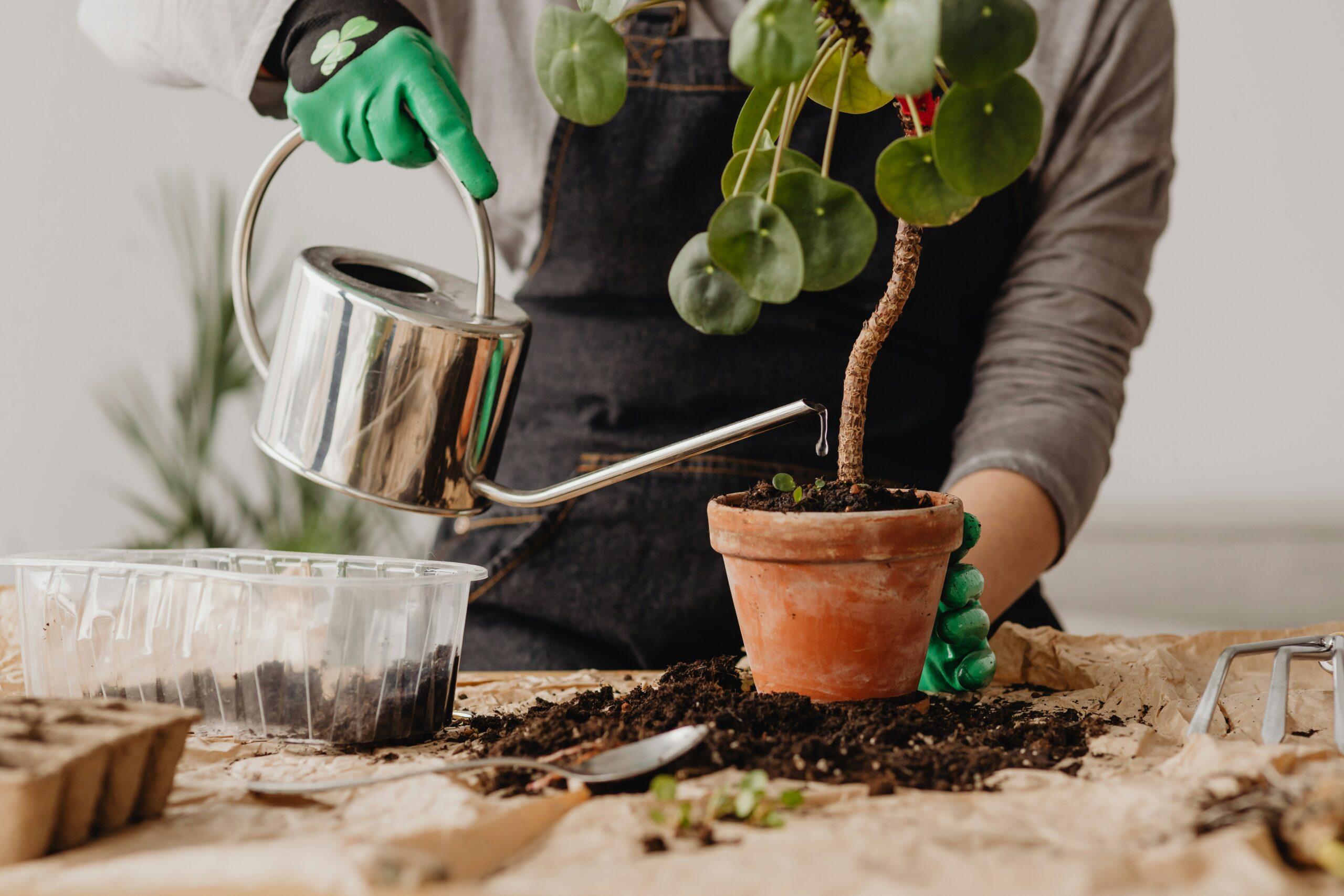
Water is essential for every plant, but providing the right amount at the right time makes a significant difference. Proper watering helps plants absorb nutrients, develop strong roots, and keep leaves healthy. Too much water can damage roots, while too little can slow growth and cause plants to wilt. Finding the right balance helps plants grow naturally and stay productive.
Many gardeners assume that watering plants every day guarantees healthy growth. However, different plants have different moisture requirements. Soil conditions, weather, plant size, and growing location all influence how much water a plant needs. Understanding these factors helps gardeners create effective watering habits that support long-term plant health.
Water Plants During the Best Time of Day
The time of day can influence how efficiently plants use water. Early morning is generally an excellent time to water outdoors. Cooler temperatures and lower sunlight intensity reduce evaporation, allowing more moisture to reach the roots. Plants can absorb water before afternoon temperatures rise and increase moisture demand.
Evening watering can also work when morning watering is not possible. However, wet leaves may remain damp longer overnight, which can encourage certain plant diseases. Directing water toward the soil instead of the foliage helps reduce this concern. During extreme heat, water plants showing serious moisture stress as needed rather than waiting for a specific hour.
Encourage Deep Roots With Proper Watering
Healthy roots allow plants to reach moisture and nutrients throughout the soil. Frequent light watering may keep only the upper soil layers moist, encouraging some plants to develop shallow root systems. These roots become more vulnerable as temperatures rise and the soil surface dries quickly.
Deep watering encourages moisture to reach lower soil layers, where established roots can absorb it. Apply water slowly enough for the ground to absorb it without excessive runoff. The appropriate depth depends on the plant and its root system. Deep watering is especially useful for many established outdoor plants, although seedlings and shallow-rooted crops may need smaller amounts more frequently.
Understand How Different Soil Types Hold Water
Soil composition affects how quickly water moves through the ground. Sandy soil has larger spaces between particles, so water drains relatively quickly. Plants in sandy conditions may need more frequent watering because moisture doesn’t remain available as long as it does in other soil types.
Clay soil holds water longer but may drain slowly when compacted. Adding suitable organic matter can improve soil structure and support healthier moisture movement over time. Gardeners should observe how their soil responds after watering or rainfall. Understanding drainage patterns helps determine when additional water is necessary and reduces the risk of keeping roots constantly saturated.
Adjust Watering Habits for Indoor Plants
Indoor plants often require different watering routines than outdoor plants. Their growing conditions depend on room temperature, humidity, available sunlight, and container size. Plants near sunny windows may lose moisture faster than those in shaded areas. Heating and air conditioning can also influence how quickly potting soil dries.
Choose containers with drainage holes so excess water can escape. When watering many common houseplants, apply water until a little drains from the bottom, then empty any collected water from the saucer. Avoid allowing roots to sit in standing water for extended periods. Some plants prefer their soil to dry partially between waterings, while others need more consistent moisture.
Recognize the Signs of Overwatering
Overwatering is a common cause of unhealthy plant growth. When soil stays saturated too long, roots may struggle to get enough oxygen. This can weaken the plant and create conditions that encourage root diseases. Yellowing leaves, slow growth, and persistently wet soil may indicate excessive watering.
Wilting can also occur when overly wet conditions damage roots. This makes it important to inspect soil moisture before adding more water. If the soil stays wet, let it drain and dry to the plant’s needs. Check whether the container or garden bed drains well. Adjusting watering frequency often helps prevent the problem from returning.
Identify When Plants Need More Water
Underwatered plants may develop dry soil, drooping leaves, and slower growth. Leaf edges can become brown or brittle when moisture shortages continue. In severe cases, flowers may fall early, and young fruits may fail to develop properly. These symptoms indicate that the plant may not be receiving enough water to support its normal functions.
When soil becomes excessively dry, apply water gradually so it can soak into the root area. Very dry potting mixes sometimes resist moisture at first, allowing water to run down the sides of a container. Watering slowly or soaking an appropriate pot briefly can help restore moisture. Afterward, allow excess water to drain and monitor the plant’s recovery.
Change Watering Frequency With the Seasons
Seasonal weather changes influence how much water plants need. During warm summer months, higher temperatures and stronger sunlight can increase moisture loss. Outdoor containers may dry particularly quickly because their limited soil volume cannot store as much water as larger garden beds.
Cooler weather often reduces water demand because many plants grow more slowly. During winter, certain houseplants and outdoor plants may need less frequent watering. However, evergreen plants can still lose moisture during cold weather, especially when conditions are dry and windy. Adjust watering based on actual soil conditions rather than following the same schedule year-round.
Use Mulch to Maintain Healthy Soil Moisture
Mulch helps protect the soil from direct sunlight and reduces moisture loss through evaporation. Materials such as shredded leaves, straw, and untreated wood chips can help keep soil conditions more stable. This is particularly useful during hot weather when exposed soil dries quickly.
Apply mulch around suitable outdoor plants while leaving a small gap near stems and trunks. Keeping mulch away from the plant base helps prevent excessive moisture buildup and related problems. As organic mulch breaks down, it can also contribute organic matter to the soil. Regularly checking moisture beneath the mulch helps determine when watering is necessary.
Water Newly Planted Seeds and Seedlings Carefully
Seeds and young seedlings have different watering needs from established plants. Their developing roots cannot reach moisture stored deep in the soil. If the upper growing layer dries completely, germination may slow or stop. Keeping the topsoil consistently moist supports healthy early growth.
Use a gentle watering method that does not wash seeds away or damage delicate stems. A watering can with a fine spray attachment works well for many small planting areas. Keep the growing medium evenly moist without waterlogging it. As seedlings develop stronger roots, gradually adjust watering practices to encourage healthy growth.
Develop a Consistent Watering Routine
Successful watering depends on observation rather than rigid daily habits. Check plants regularly and watch soil moisture, leaf appearance, weather conditions, and growth patterns. These simple observations help you decide whether a plant needs water or whether existing moisture is sufficient.
Different plants may require different routines, even when they grow in the same garden. Grouping plants with similar moisture needs can make watering easier and more efficient. Over time, experience will help you recognize how quickly different growing areas dry and how plants respond to changing conditions.