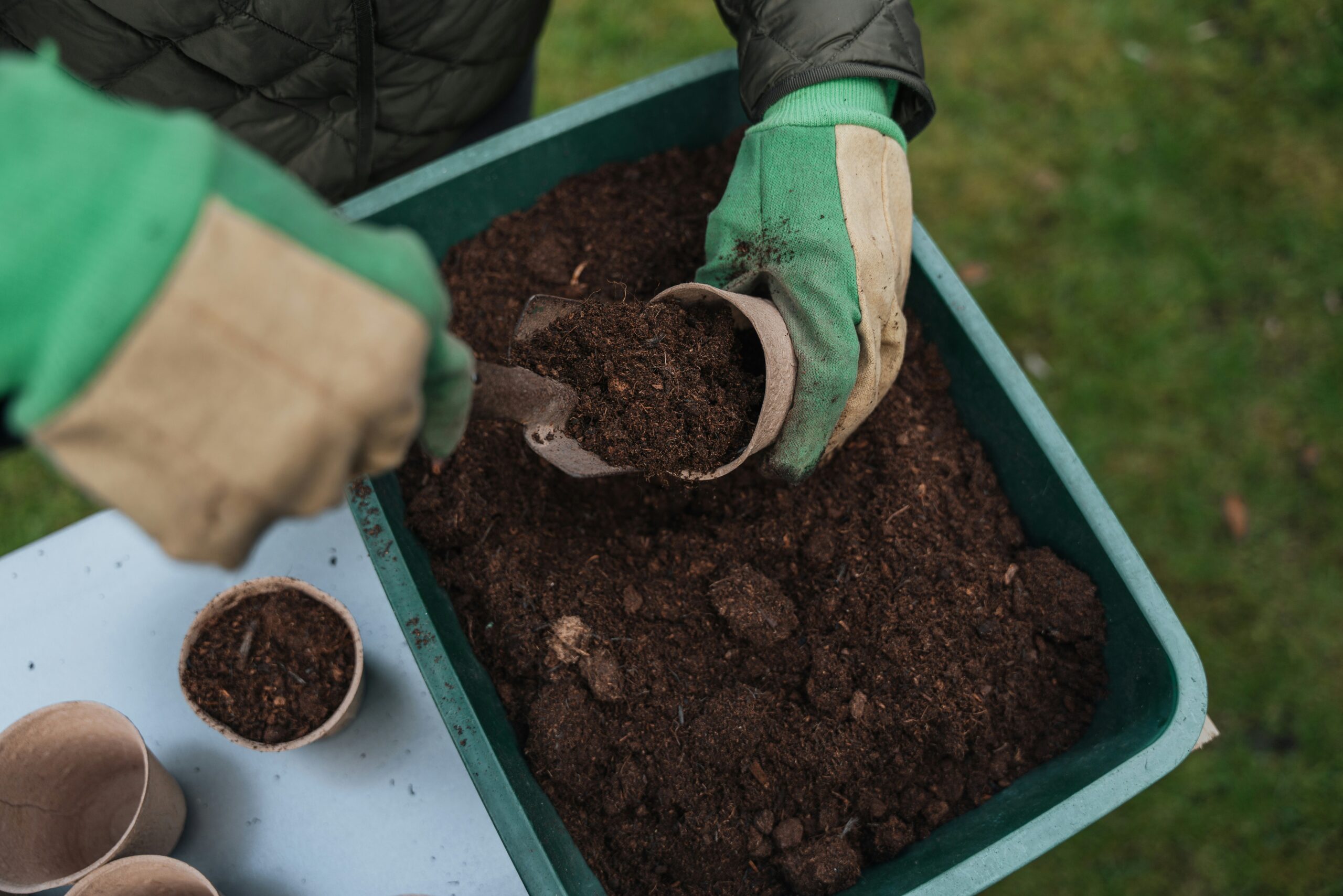
A beautiful garden starts with healthy soil. Plants need more than sunlight and water to grow well. They also need a strong base below the surface. Good soil gives roots room to spread. It holds enough water without staying too wet. It also stores nutrients that plants need throughout the growing season.
When soil is healthy, plants often grow faster and look stronger. They can handle heat, dry weather, and other stress more easily. Flowers may bloom longer, vegetables may produce better harvests, and trees can develop stronger roots. Healthy soil also makes gardening easier because plants require fewer corrections later.
Healthy Soil Gives Roots Room to Grow
Plant roots need space to move through the ground. Loose, healthy soil allows roots to spread in many directions. This helps plants reach more water and nutrients. Strong roots also help plants stay stable during heavy rain or strong wind. When roots can grow freely, the entire plant has a better chance of staying healthy.
Hard or packed soil can limit root growth. Roots may remain close to the surface or grow in unusual directions when they cannot move deeper. This can make plants more sensitive to dry weather. Adding compost and avoiding heavy foot traffic can improve soil structure. Over time, the soil becomes easier for roots to enter and explore.
Good Soil Holds the Right Amount of Water
Plants need water, but too much can cause problems. Healthy soil holds enough moisture for roots while allowing extra water to drain away. This balance keeps roots from drying out and also prevents them from sitting in wet soil for too long. Both conditions can slow plant growth.
Organic matter helps soil manage moisture more effectively. Compost, aged leaves, and other natural materials can improve how water moves through the ground. Sandy soil can hold water longer after organic matter is added. Heavy soil can drain more easily when its structure improves. Better moisture control can reduce plant stress during changing weather.
Rich Soil Supplies Important Plant Nutrients
Plants depend on nutrients to build leaves, roots, flowers, and fruit. Healthy soil stores these nutrients and releases them over time. Nitrogen supports leafy growth, while other nutrients help with roots, flowers, and overall plant strength. A balanced supply allows plants to grow at a steady rate.
You can support soil fertility by adding well-finished compost and other natural materials. These materials break down slowly and return nutrients to the ground. This creates a steady source of plant food. Regular soil care can also reduce the need for frequent fertilizer use. The goal is to build soil that can support plants naturally.
Healthy Soil Supports Helpful Living Organisms
Garden soil contains many tiny forms of life. Earthworms, bacteria, fungi, and other organisms work below the surface every day. They break down dead leaves and other organic materials. This process returns nutrients to the soil and helps plants use them.
Earthworms also create small tunnels as they move through the ground. These tunnels allow water and air to travel deeper. Helpful organisms thrive when soil contains organic matter and steady moisture. You can support them by adding compost and avoiding unnecessary chemical treatments. A lively soil environment often leads to healthier plants.
Better Soil Helps Plants Handle Dry Weather
Healthy soil can protect plants when rain becomes limited. Soil that contains enough organic matter can hold moisture for longer periods. This gives roots more time to absorb water between rainfall or watering sessions. Plants with deep roots can also reach moisture stored farther below the surface.
Mulch can help improve this effect. A layer of leaves, straw, or other natural material can reduce water loss from the soil surface. It also keeps the ground cooler during hot days. When healthy soil and mulch work together, plants may need less frequent watering. This can make the garden easier to manage during dry weather.
Healthy Soil Can Improve Drainage
Poor drainage can create serious problems in a garden. Water may collect around roots after heavy rain. This reduces the amount of air in the soil and can weaken plants. In severe cases, roots may begin to decay. Healthy soil allows excess water to drain while still retaining enough moisture for plants.
Adding organic matter can improve drainage without making the soil too dry. Compost helps create small spaces between soil particles. These spaces allow water and air to move more easily. Gardeners can also protect drainage by avoiding soil compaction. Walking on wet garden beds can press the soil together and make water movement more difficult.
Strong Soil Helps Plants Resist Stress
Plants face many kinds of stress during the growing season. Heat, wind, changing rainfall, pests, and temperature changes can all affect plant health. Plants growing in strong soil often handle these challenges better because they have access to steady water and nutrients. Their roots also provide better support.
Healthy plants can recover more easily after difficult conditions. A plant with weak roots may struggle after a few hot days, while one with a stronger root system may continue growing. Building soil health does not remove every garden problem, but it gives plants a better foundation for dealing with stress.
Organic Matter Makes Soil Easier to Work
Garden soil should feel loose enough to dig and plant without great effort. Soil with very little organic matter can become hard, sticky, or difficult to manage. This can make planting, weeding, and transplanting harder. It can also limit air movement around plant roots.
Compost can gradually improve the way soil feels and behaves. It helps heavy soil become softer and helps very loose soil hold together better. As organic matter increases, the soil may become darker and easier to crumble by hand. This improved texture benefits both plants and gardeners.
Healthy Soil Can Reduce Weed Problems
Healthy soil alone will not stop all weeds, but good soil care can make weeds easier to manage. Mulch helps cover bare soil and blocks light from reaching many weed seeds. This can reduce the number of unwanted plants that appear between crops and flowers.
Strong garden plants can also compete more effectively with weeds. When plants have healthy roots and steady access to nutrients, they can fill available space more quickly. Dense, healthy growth can reduce open areas where weeds might become established. Regular mulching and soil care can make weed control less demanding over time.
Soil Health Supports Better Harvests
Vegetable gardens often show clear benefits when soil conditions improve. Strong roots help crops gather the water and nutrients they need to produce leaves, flowers, and fruit. Tomatoes, peppers, beans, greens, and other crops can all benefit from rich, well-draining soil with sufficient organic matter.
Healthy soil can also support more consistent growth throughout the season. Plants may recover faster after heat or heavy rain. They may produce for longer periods because their roots remain stronger. Although every crop has different needs, good soil provides a dependable starting point for a productive harvest.
Regular Care Keeps Garden Soil Healthy
Healthy soil requires ongoing care. Plants use nutrients as they grow, while rain and watering can change soil conditions over time. Adding compost each season can replace some of the organic matter that has broken down. Mulching can continue protecting the surface from heat and erosion.
It also helps to avoid unnecessary digging. Too much soil disturbance can break apart natural soil structure and disrupt helpful organisms. Instead, make small improvements throughout the year. Add organic materials, protect bare ground, water carefully, and pay attention to how the soil behaves.
Healthy Soil Builds a Better Garden Over Time
Improving soil is not a quick project. The biggest changes often happen gradually. Each addition of compost, mulch, or natural plant material contributes to the soil. Earthworms and other organisms continue working below the surface. Roots create pathways as plants grow and old roots break down.
The result is a garden that becomes stronger over time. Healthy soil holds water better, supplies nutrients more steadily, and gives roots a better place to grow. Plants can become more productive and easier to care for. When gardeners focus on soil health, they create conditions that benefit the entire garden for many seasons.