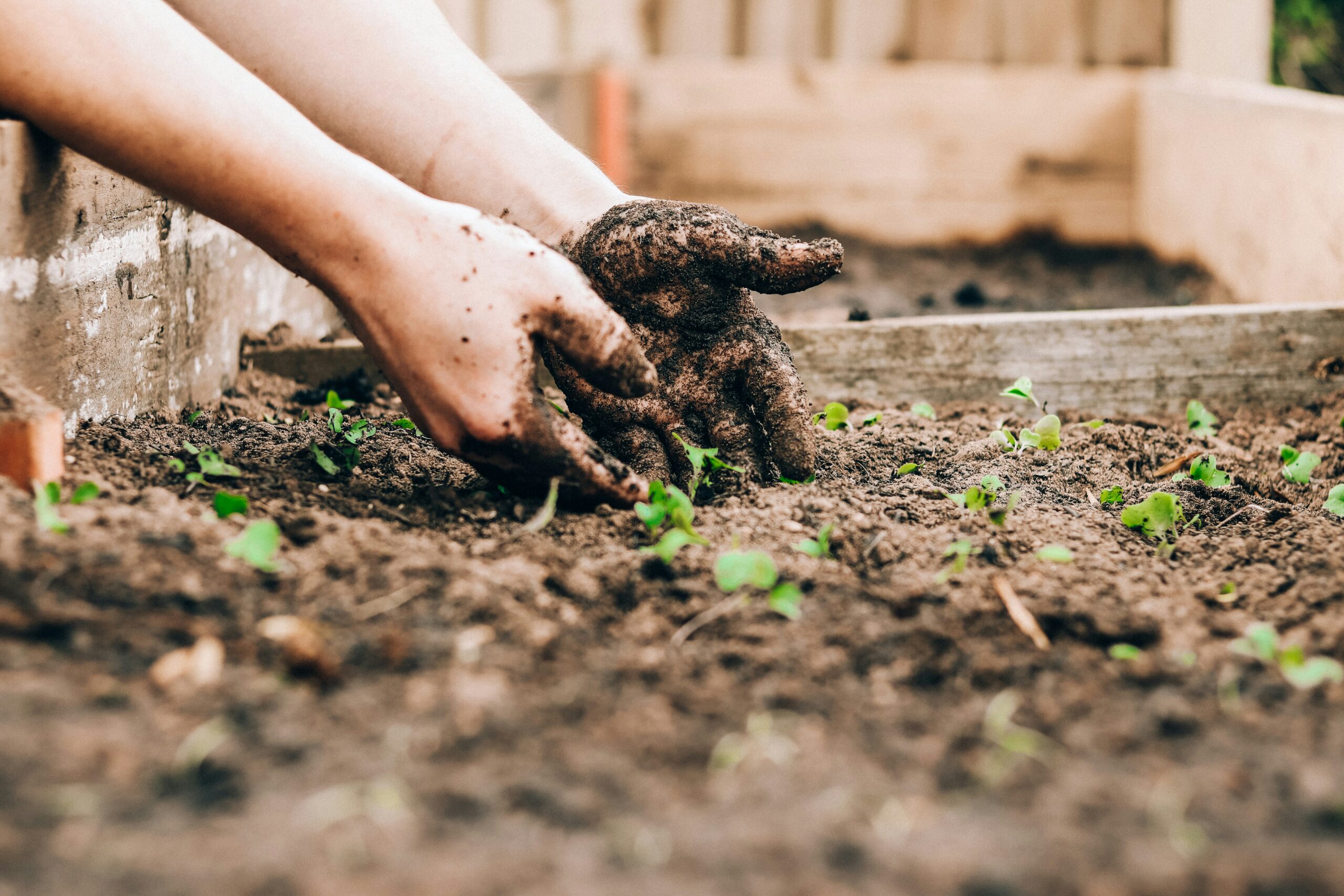
A beautiful garden does not have to require hours of weekly maintenance. For busy homeowners, the key is to create an outdoor space that looks attractive while requiring less watering, pruning, mowing, and general care. With thoughtful plant choices and a simple garden design, you can enjoy a healthy landscape without turning yard work into another full-time job.
Choose Plants That Naturally Thrive
One of the easiest ways to reduce garden maintenance is to choose plants that naturally grow well in your local climate. Plants suited to your area’s temperature, rainfall, and soil conditions generally need less attention than plants that struggle to adapt.
Native plants are especially useful because they are already adapted to local growing conditions. Many can handle seasonal changes and require less supplemental water once established. When selecting plants, consider their mature size, sunlight needs, and water requirements. Choosing the right plant for the right location can prevent many common gardening problems.
Create a Simple Garden Design
A complicated landscape often requires more work. Instead of filling your yard with many different plant varieties, create a simple design with a smaller selection of dependable plants. Repeating the same plants throughout the garden creates a neat, attractive look while making maintenance easier.
Group plants with similar water and sunlight needs together. This makes watering more efficient and helps prevent some plants from receiving too much or too little moisture. Simple garden beds with clearly defined edges can also make mowing and trimming easier.
Reduce Lawn Space
Large lawns can take a lot of time to mow, water, fertilize, and edge. If you have a busy schedule, consider reducing the amount of grass in your yard. Replace some lawn areas with ground covers, ornamental grasses, shrubs, garden beds, or hardscape features.
A smaller lawn does not mean sacrificing curb appeal. A combination of low-maintenance plants and attractive pathways can create a polished landscape while reducing routine yard work. Even replacing a small section of grass can make a noticeable difference over time.
Use Mulch to Save Time
Mulch is one of the simplest tools for a low-maintenance garden. A layer of organic mulch around plants helps retain soil moisture, suppress weeds, and regulate soil temperature. It can also give garden beds a clean and finished appearance.
Keep mulch slightly away from plant stems and tree trunks to reduce the risk of moisture-related problems. As the mulch breaks down, replenish it when necessary. This small amount of seasonal maintenance can save considerable time spent watering and pulling weeds.
Install Efficient Watering
Watering can become one of the biggest chores during the growing season. An efficient irrigation system can make this task much easier. Drip irrigation and soaker hoses deliver water closer to plant roots, reducing unnecessary water loss.
A timer can also help maintain a consistent watering schedule. Watering early in the morning is generally helpful because cooler conditions reduce evaporation. However, the ideal watering frequency depends on the plants, soil, weather, and local conditions.
Pick Low-Maintenance Perennials
Annual flowers can provide beautiful seasonal color, but they often need replacing every year. For a lower-maintenance landscape, use dependable perennials that return year after year.
Look for varieties known for being hardy and easy to care for. Perennials provide flowers, texture, and seasonal interest without requiring repeated planting. Combining a few reliable perennials with shrubs and ornamental grasses can create a garden that remains attractive through multiple seasons.
Prevent Weeds Before They Spread
Weeds become much harder to manage when they take over garden beds. Regularly checking the garden for small weeds can prevent a larger problem later. Mulching bare soil also reduces the amount of sunlight that reaches weed seeds.
Avoid leaving large areas of exposed soil between plants. When appropriate, ground covers can fill open spaces and help limit opportunities for weeds to grow. A few minutes of occasional maintenance is usually easier than dealing with heavily overgrown beds.
Make Pruning More Manageable
Choose shrubs and plants that stay tidy naturally. Fast-growing plants may require frequent trimming, while slower-growing varieties can reduce pruning demands.
Before planting a shrub or tree, consider its mature size and place it where it has enough room to grow. Planting something too close to a walkway, window, or building can create unnecessary pruning work later. Proper spacing from the beginning can make landscape care much simpler.
Keep Garden Tools Organized
Having the right tools available can make routine gardening faster. Keep frequently used tools in an accessible, dry location near the garden. Clean tools after use and store them properly to help extend their life.
It can also help to avoid collecting more equipment than you actually need. A small selection of reliable tools is often enough for basic garden care. When every tool has a convenient place, simple tasks are easier to complete before they become larger chores.
Build a Garden That Fits Your Lifestyle
The best low-maintenance garden matches the time you realistically have available. If you travel frequently or have a demanding work schedule, avoid creating a landscape that depends on daily attention.
Focus on durable plants, efficient watering, practical garden layouts, and manageable lawn areas. A garden does not need to be perfect to be beautiful. By making smart choices during planning, busy homeowners can create an outdoor space that stays attractive with relatively little effort. The result is a welcoming yard that gives you more time to relax and enjoy it, rather than constantly maintain it.