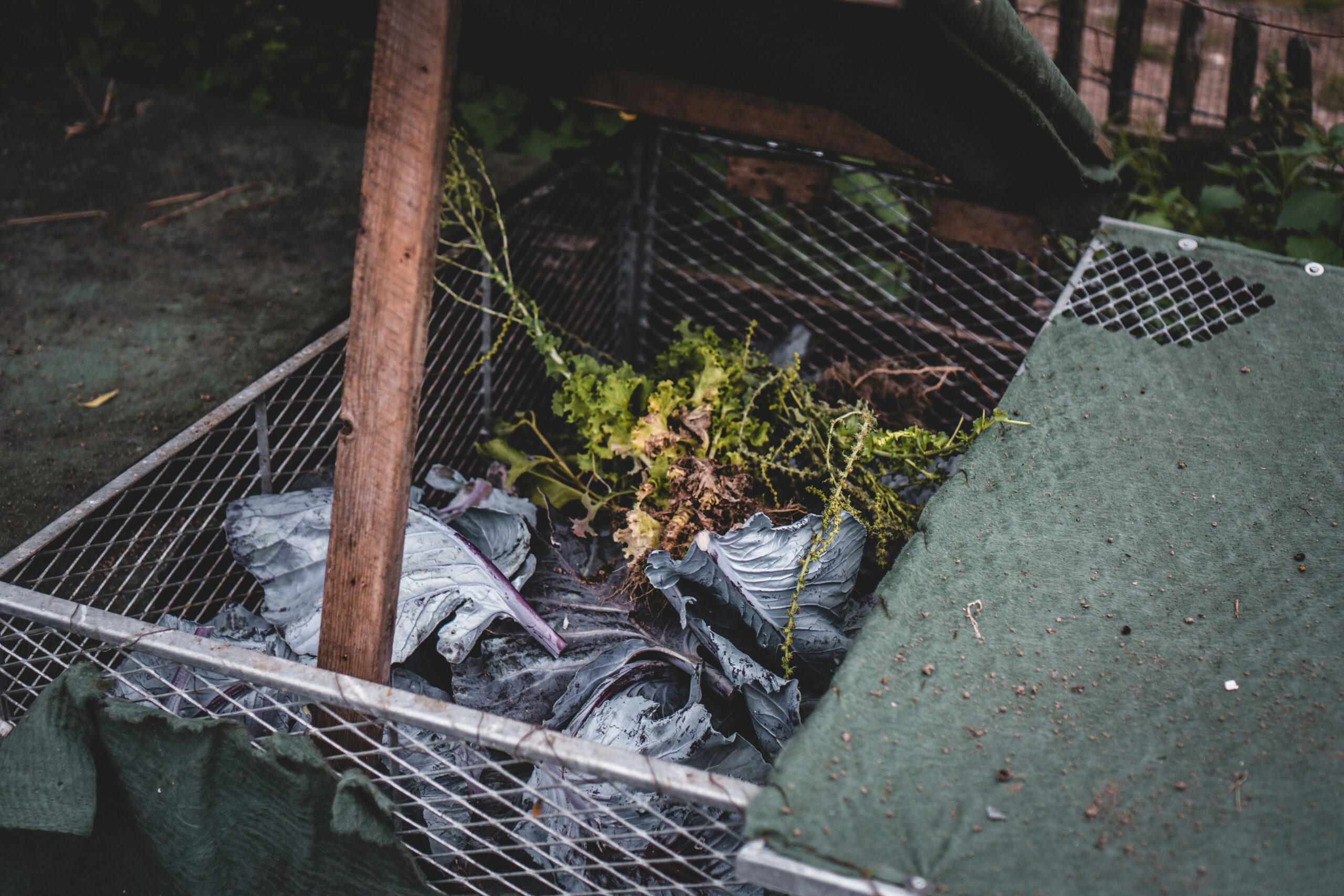
Every day, most households throw away fruit peels, vegetable scraps, coffee grounds, and other organic materials without realizing their true value. Instead of sending these items to landfills, you can transform them into nutrient-rich soil through composting at home. This simple practice supports healthier gardens, reduces household waste, and creates a more sustainable lifestyle. At the same time, it saves money by reducing the need for commercial fertilizers and soil amendments.
Composting at home may seem complicated at first, yet anyone can learn the basics quickly. With the right balance of materials, moisture, and airflow, your kitchen waste naturally breaks down into dark, crumbly compost that enriches your garden. As a result, plants grow stronger, vegetables produce better harvests, and flowers bloom with greater vigor. Whether you have a large backyard or a small patio, composting offers practical benefits for every gardener.
Why Composting Matters
Composting does much more than reduce garbage. It returns valuable nutrients to the soil and creates a healthier environment for beneficial organisms. Healthy soil contains microorganisms, earthworms, and organic matter that work together to support plant growth. Therefore, adding homemade compost naturally improves the overall quality of your garden.
Moreover, compost helps soil retain moisture during dry weather while improving drainage after heavy rainfall. Plants develop stronger roots because compost creates a balanced growing environment. Consequently, gardens become more resilient against changing weather conditions and seasonal stress.
In addition, composting reduces methane emissions from landfills. Organic waste produces harmful gases when buried without oxygen. However, proper composting allows natural decomposition in an oxygen-rich environment, making it an environmentally friendly solution for managing kitchen waste.
Choosing the Right Composting Method
Fortunately, several composting methods fit different living situations and gardening goals. Before you begin, consider your available space, the amount of kitchen waste you generate, and the time you can dedicate to maintaining your compost.
Outdoor compost bins work well for homeowners with gardens. These bins provide enough room for food scraps, leaves, grass clippings, and small garden trimmings. On the other hand, compost tumblers simplify mixing and improve airflow, which often speeds up decomposition.
Apartment dwellers can also enjoy composting at home. Compact compost containers fit neatly on balconies or patios. Furthermore, worm composting systems offer another excellent option, as they efficiently convert kitchen scraps into nutrient-rich compost without requiring much space.
Selecting the right system makes the process easier and encourages long-term success. Therefore, start with a method that fits your lifestyle rather than choosing the largest or most complex setup.
Understanding Green and Brown Materials
Successful compost depends on balancing two essential groups of materials: green materials provide nitrogen, while brown materials provide carbon. Together, they create the ideal environment for beneficial microorganisms.
Green materials include vegetable scraps, fruit peels, coffee grounds, fresh grass clippings, and tea leaves. These ingredients break down quickly and provide valuable nutrients for composting organisms.
Brown materials include dried leaves, shredded newspaper, cardboard, chemical-free paper towels, straw, and small wood chips. These materials improve airflow while balancing excess moisture.
Maintaining the proper balance prevents unpleasant odors and supports faster decomposition. If your compost becomes wet and smelly, simply add more brown materials. Conversely, if decomposition slows down, increasing green materials often restores the process. As you gain experience, maintaining this balance becomes much easier.
What Should Stay Out of Your Compost
Although many kitchen scraps belong in a compost pile, some materials create unnecessary problems. Meat, fish, dairy products, greasy foods, and cooking oils often attract unwanted pests and produce unpleasant odors. Therefore, keeping these items out of your compost helps maintain a clean and efficient system.
Similarly, avoid adding diseased plants, invasive weeds with mature seeds, pet waste, and chemically treated wood. These materials may introduce harmful organisms or unwanted contaminants into your finished compost.
Instead, focus on clean organic materials from your kitchen and garden. This approach produces safer, healthier compost that benefits your plants throughout the growing season.
Maintaining Healthy Compost
Creating compost requires very little effort once you establish a routine. Nevertheless, a few maintenance habits significantly improve results.
Moisture plays a critical role throughout decomposition. Your compost should remain as damp as a wrung-out sponge. If the pile becomes too dry, decomposition slows considerably. However, excessive moisture limits airflow and encourages unpleasant odors.
Turning your compost every week introduces fresh oxygen and evenly distributes materials. Consequently, microorganisms remain active, and compost breaks down more efficiently. In addition, regular mixing prevents compacted areas from developing inside the pile.
Temperature also affects compost quality. Active compost piles naturally generate heat as microorganisms consume organic matter. This warmth speeds decomposition while helping destroy many weed seeds and harmful organisms.
Signs Your Compost Is Ready
Patience remains an important part of composting at home. Depending on weather conditions, material size, and maintenance, finished compost may take several weeks or several months to develop.
Ready compost appears dark brown with a loose, crumbly texture. It smells fresh and earthy rather than sour or rotten. Most original food scraps become unrecognizable because microorganisms completely transform them into stable organic matter.
If you still notice large pieces of wood, eggshells, or leaves, simply return them to your compost bin for additional decomposition. Meanwhile, you can use the finished compost immediately throughout your garden.
Using Nutrient-Rich Compost in Your Garden
Homemade compost offers countless applications around your landscape. You can mix it into vegetable beds before planting to improve soil fertility and encourage healthy root development. Likewise, flower gardens benefit from compost because it improves moisture retention and supplies slow-release nutrients.
Many gardeners spread compost around trees, shrubs, and perennial plants as a protective mulch. This layer reduces weed growth, conserves moisture, and gradually feeds the soil beneath the surface.
Container gardens also respond well to homemade compost. Mixing compost with potting soil improves structure and provides essential nutrients throughout the growing season. As a result, potted vegetables, herbs, and flowers often grow more vigorously.
Additionally, compost supports beneficial insects and microorganisms that naturally improve soil health. Over time, your entire garden ecosystem becomes stronger and more productive.
Common Composting Mistakes to Avoid
Every beginner encounters challenges, yet most composting problems have simple solutions. Adding too many food scraps without enough brown materials often creates excess moisture and unpleasant odors. Fortunately, shredded paper or dry leaves quickly restore balance.
Another common mistake involves neglecting the compost pile for long periods. Regular turning keeps oxygen circulating and accelerates decomposition. Therefore, even a few minutes each week can make a noticeable difference.
Some gardeners also chop nothing before composting. However, cutting fruit peels, vegetable scraps, and garden waste into smaller pieces helps microorganisms work faster. Consequently, compost finishes much sooner.
Finally, avoid expecting instant results. Composting follows natural biological processes that require time. Nevertheless, consistent care always produces rewarding results.
Build a More Sustainable Future Through Composting
Composting at home creates lasting benefits for both your garden and the environment. Every banana peel, coffee ground, and vegetable trimming becomes a valuable resource instead of unnecessary waste. As your compost matures, it enriches the soil, strengthens plant health, and supports sustainable gardening practices.
Furthermore, composting encourages greater awareness of household waste and natural resource conservation. Families often discover simple ways to reduce trash while producing healthier gardens that require fewer synthetic products. Because of these advantages, composting remains one of the easiest and most effective sustainable habits anyone can adopt.
Start with a small compost bin, collect your kitchen scraps, and maintain a consistent routine. Soon, you will transform everyday organic waste into nutrient-rich soil that supports vibrant flowers, productive vegetable gardens, and healthier landscapes for years to come.