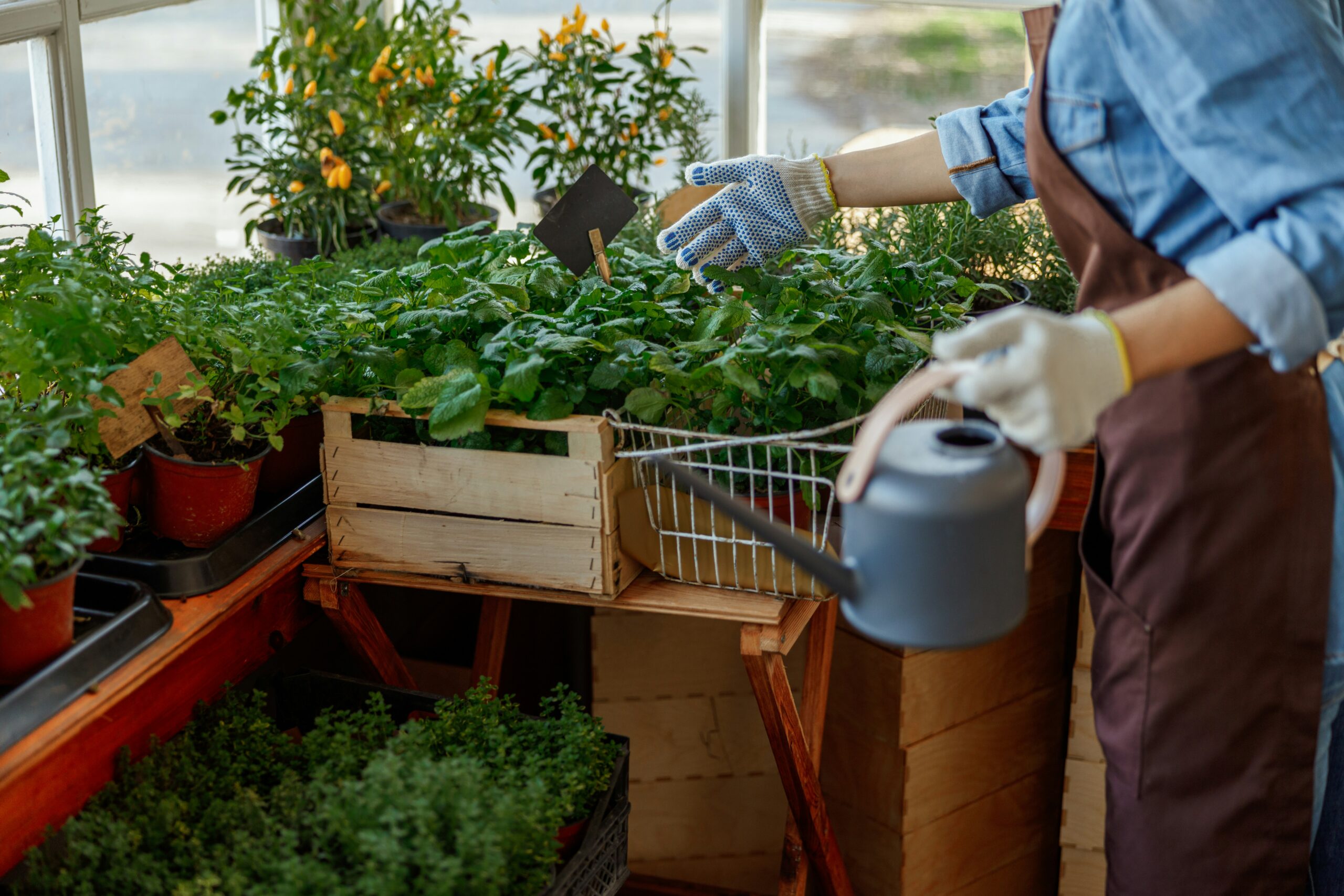
Apartment gardening tips have become increasingly popular as more people look for simple ways to grow fresh food in limited spaces. Many apartment residents believe gardening requires a large backyard, but modern techniques make indoor growing possible almost anywhere. With the right containers, lighting, and plant choices, anyone can create a productive indoor garden. This approach supports healthier eating, reduces grocery costs, and brings natural beauty into living spaces. Moreover, growing vegetables indoors creates a rewarding connection with nature. Therefore, learning effective apartment gardening tips helps beginners transform small areas into thriving gardens filled with fresh vegetables year-round.
Choosing the Right Space for Indoor Vegetable Gardening
The first step in successful indoor vegetable gardening involves finding the best location inside an apartment. Although space may feel limited, many areas can support healthy plants when they receive proper conditions. Windowsills, balconies, kitchen corners, and shelves near natural light sources often work well. However, gardeners should consider temperature, airflow, and accessibility before selecting a growing area. A convenient location makes daily plant care easier and encourages consistent attention.
Additionally, understanding light availability helps create stronger plants. Most vegetables need several hours of sunlight each day to grow properly. Therefore, south-facing windows often provide excellent natural light for indoor gardens. If natural sunlight remains limited, grow lights can support plant development. Moreover, placing plants near a regular activity area helps gardeners notice changes quickly and respond to problems before they become serious.
Selecting Vegetables That Grow Well Indoors
Choosing suitable vegetables plays an important role in successful apartment gardening tips. Some plants adapt better to indoor environments because they require less space and have shorter growing cycles. Herbs, lettuce, spinach, tomatoes, peppers, and green onions often perform well inside apartments. Furthermore, compact varieties allow gardeners to produce fresh vegetables without needing large containers or extensive areas.
However, beginners should avoid choosing plants only because they look attractive. Instead, they should consider each plant’s growth needs, including light, water, and space requirements. For example, leafy greens usually grow faster indoors than larger vegetables that need deeper roots. Therefore, selecting the right crops increases success and creates a more enjoyable gardening experience. With careful planning, even small apartments can support a productive vegetable garden.
Using Containers and Soil for Healthy Plant Growth
Containers provide the foundation for effective small space gardening because they control how plants receive water and nutrients. Gardeners can use pots, hanging containers, vertical planters, and recycled materials to create flexible growing systems. However, every container must include proper drainage because excess water can damage roots. Additionally, choosing the right container size allows plants to develop without becoming restricted.
Moreover, quality soil directly influences plant health and vegetable production. Indoor plants need nutrient-rich soil that supports strong root growth. Therefore, many apartment gardeners choose organic potting mixes designed for containers. These mixes usually provide better drainage and moisture control than regular outdoor soil. As a result, plants receive a healthier environment and produce stronger leaves, fruits, and vegetables over time.
Managing Light and Temperature Indoors
Light management remains one of the most important parts of growing fresh vegetables indoors. Plants use light to create energy, so insufficient lighting can slow growth and reduce harvest quality. Therefore, gardeners should observe plant behavior. If leaves appear weak or plants grow unevenly, they may need additional lighting support or a better location.
Furthermore, temperature control affects indoor vegetable growth. Most vegetables prefer stable conditions without extreme changes in heat or cold. Apartment gardeners should avoid placing plants near heating vents, air conditioners, or drafty windows. Additionally, maintaining proper airflow helps prevent moisture problems and supports healthier growth. With balanced light and temperature conditions, indoor gardens can remain productive across different seasons.
Watering Techniques for Indoor Vegetable Gardens
Proper watering represents another essential part of effective apartment gardening tips. Indoor plants often need different watering schedules compared with outdoor gardens because containers hold moisture differently. Therefore, gardeners should check soil conditions before adding water. If the top layer feels dry, plants may need watering. However, constantly wet soil can create root problems and encourage diseases.
In addition, using consistent watering habits improves plant development. Gardeners should learn how each vegetable responds because different plants have unique needs. For example, leafy greens may require more frequent moisture than drought-tolerant herbs. Moreover, using room-temperature water helps reduce stress on indoor plants. As a result, careful watering creates stronger plants and improves the quality of fresh vegetables indoors.
Protecting Indoor Plants From Common Problems
Indoor gardens can still experience challenges such as pests, nutrient shortages, and plant diseases. Although apartments protect from many outdoor threats, small insects can still appear. Therefore, gardeners should inspect leaves regularly and remove damaged areas quickly. Additionally, keeping the growing area clean reduces the chance of pest problems developing.
Furthermore, plants sometimes show signs of stress when they lack essential nutrients. Yellow leaves, slow growth, or weak stems may indicate that plants need additional support. However, gardeners should avoid adding too much fertilizer because excessive nutrients can harm vegetables. Instead, balanced feeding schedules help maintain healthy growth. By paying attention to plant signals, apartment gardeners can solve problems early and maintain productive indoor gardens.
Creating a Long-Term Indoor Gardening Routine
Successful indoor gardening requires consistency because plants depend on regular care. Many beginners lose confidence because they expect immediate results. However, vegetable growth takes patience and observation. Therefore, creating a simple routine helps gardeners provide proper attention without feeling overwhelmed. Checking moisture levels, removing damaged leaves, and monitoring growth patterns can become easy daily habits.
Apartment gardening tips provide an effective solution for people who want fresh vegetables without access to outdoor land. With smart planning, proper containers, and consistent care, small indoor spaces can support healthy plant growth. Moreover, indoor gardening creates a relaxing hobby that improves food quality and connects people with nature. Therefore, anyone can start growing vegetables indoors by choosing suitable plants and following simple methods. A successful apartment garden does not depend on size because dedication, knowledge, and patience create the greatest results.