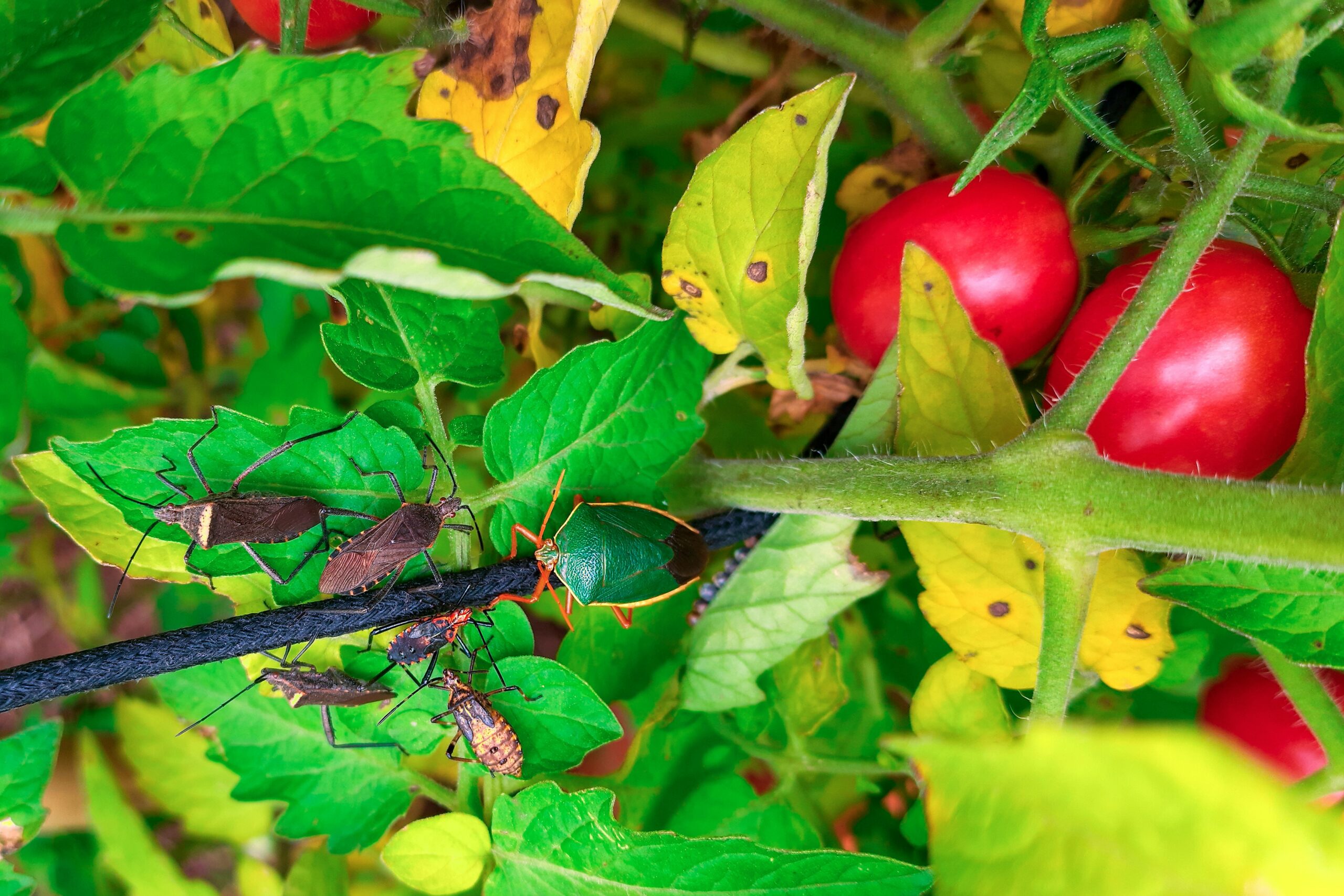
Today, gardeners increasingly choose natural pest control methods to achieve healthier plants and safer outdoor spaces. Chemical pesticides may quickly eliminate pests, but they can also harm beneficial organisms and degrade soil quality over time. Therefore, many gardeners now focus on eco-friendly solutions that support long-term garden health.
Moreover, natural pest management creates a balanced environment that allows plants to grow more naturally. Instead of relying on harsh treatments, gardeners strengthen the overall ecosystem. As a result, gardens become more resilient against pests and diseases. In addition, natural methods protect pollinators and other beneficial insects that support plant growth.
Identifying the Source of Pest Problems
Successful pest control begins with understanding why pests appear in the garden. Weak plants often attract insects because they struggle to defend themselves against environmental stress. At the same time, poor airflow and excess moisture create ideal conditions for pests and fungal diseases. Therefore, gardeners should first examine the health of their growing environment.
In addition, unhealthy soil can increase plant vulnerability. When soil lacks nutrients, plants grow weaker and recover more slowly from damage. As a result, pests spread more easily and create larger problems over time. By identifying these root causes early, gardeners can prevent serious infestations before they begin.
Strengthening Plants Through Proper Garden Care
Healthy plants naturally resist pests more effectively than stressed or neglected plants. Therefore, gardeners should focus on providing consistent care throughout the growing season. Proper watering, healthy soil, and balanced sunlight all contribute to stronger plant growth.
Moreover, gardeners should avoid overcrowding plants, as tight spacing reduces airflow and increases moisture buildup. This environment encourages the development of insects and disease. In addition, removing damaged leaves and dead plant material helps reduce hiding places for pests. As a result, the garden remains cleaner and healthier over time.
Using Companion Planting as a Natural Defense
Companion planting is a practical, eco-friendly method for pest prevention. Certain plants naturally repel insects through their scent or chemical properties. Therefore, gardeners can strategically place these plants near vulnerable crops for added protection.
At the same time, companion planting improves biodiversity within the garden. Some flowers attract pollinators and beneficial insects that help control harmful pest populations. As a result, the garden develops a stronger natural balance. Moreover, this method adds beauty and variety while improving plant health.
Encouraging Helpful Insects in the Garden
Beneficial insects play an important role in natural pest management by feeding on harmful pests and supporting ecosystem balance. Ladybugs and lacewings, for example, help reduce populations of insects that damage leaves and stems. Therefore, gardeners should create an environment that attracts and supports these natural helpers.
In addition, flowering plants provide food and shelter for beneficial insects. Gardeners should also avoid unnecessary pesticide use, as chemicals often harm beneficial insects as well as destructive pests. As a result, natural predators can thrive and help maintain long-term pest control.
Monitoring Plants for Early Signs of Trouble
Regular garden observation helps gardeners identify problems before they become severe. When gardeners frequently inspect their plants, they notice signs of damage early and respond more effectively. Moreover, quick action often prevents pests from spreading throughout the garden.
At the same time, close observation helps gardeners understand seasonal changes and plant behavior. They can identify weak growth, discoloration, or unusual insect activity before major harm occurs. Therefore, consistent monitoring becomes one of the most valuable natural gardening practices.
Applying Homemade Natural Pest Solutions
Natural sprays and homemade treatments can help manage pests safely when used correctly. Many gardeners use simple plant-based or soap-based solutions to discourage insects without harming the environment. Moreover, these methods reduce exposure to harsh chemicals and support sustainable gardening practices.
However, gardeners should apply natural treatments carefully and observe plant reactions afterward. Some plants respond differently depending on weather and growth conditions. As a result, careful use ensures effective pest control while protecting plant health.
Improving Soil Health for Long-Term Protection
Strong soil supports healthy root systems and improves plants’ resistance to pests and diseases. Therefore, gardeners should regularly enrich their soil with compost and organic matter. Healthy soil contains beneficial organisms that contribute to balanced plant growth.
In addition, rich soil improves moisture retention and nutrient availability. When plants receive steady nourishment, they grow stronger and recover more quickly from environmental stress. As a result, healthy gardens experience fewer pest-related problems over time.
Building a Sustainable and Balanced Garden
Natural pest management encourages gardeners to work with nature rather than rely on harsh chemical solutions. When gardeners focus on prevention and balance, they create healthier and more productive growing spaces. Moreover, eco-friendly methods support long-term environmental health and sustainability.
At the same time, natural gardening teaches patience and observation. Gardeners learn how plant health, soil quality, and beneficial insects work together to create a thriving ecosystem. Therefore, natural pest control is essential to building a successful, sustainable garden for the future.